When to hunt Sonora's trophy Mule deer
Why mid-December through mid-January is the sweet spot — and what to expect week by week.
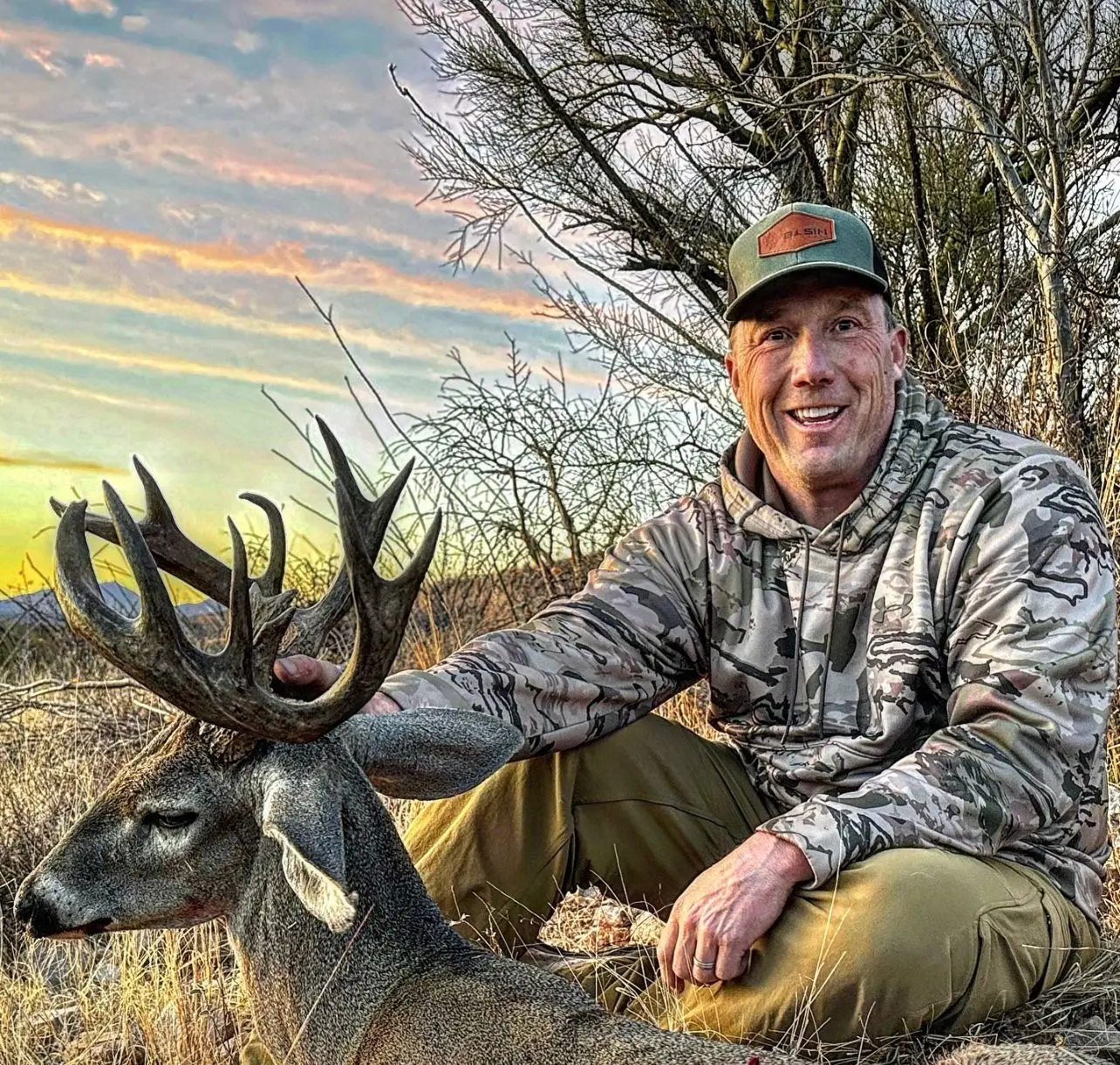
Sonoran Mule deer are a rut-driven hunt. Bucks that spend ten months of the year invisible in the cholla and ironwood suddenly walk in daylight, chase does across openings, and forget the lessons that kept them alive. Picking the right week is the single biggest decision a hunter makes.
The window that matters
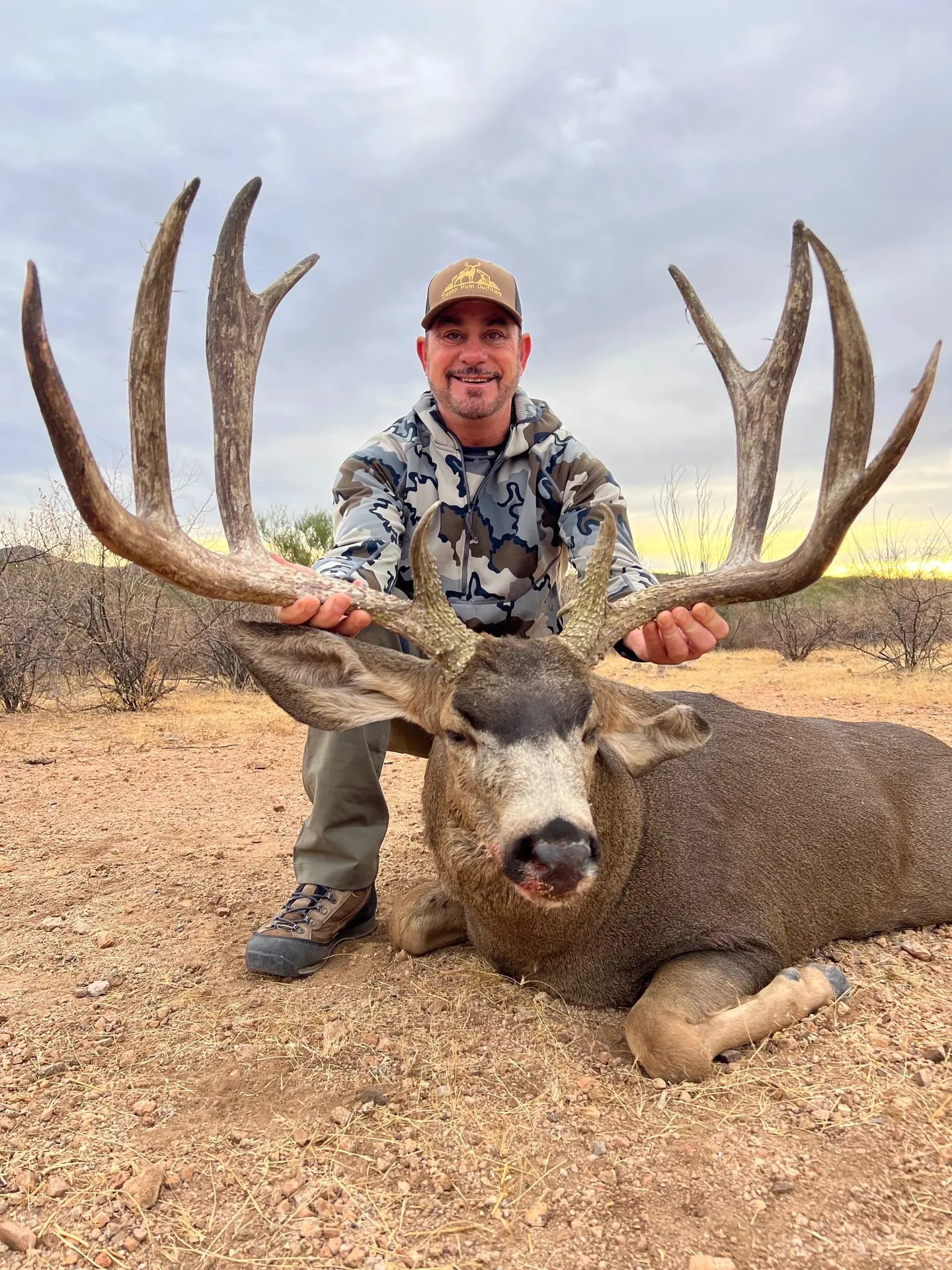
Our season runs December through January. The first ten days of December are pre-rut: bucks are still patternable but cautious, and the heat can keep them bedded by 9 a.m. From December 15 through January 15 the rut peaks. This is when book bucks are seen on their feet at midday and when 80% of our biggest trophies come off the wall.
By late January, post-rut bucks drop weight and become harder to find. We still take quality animals, but the volume of mature sightings drops noticeably.
What rainfall has to do with it
Sonora's two rainy seasons — summer monsoon (July–September) and winter equipatas (December–February) — drive antler growth a full year out. A wet summer means heavy, palmated antlers next winter. We track rainfall on every ranch and steer hunters toward the units that had the best year.
Daily rhythm
- 5:30 a.m. — Breakfast and gear check at camp.
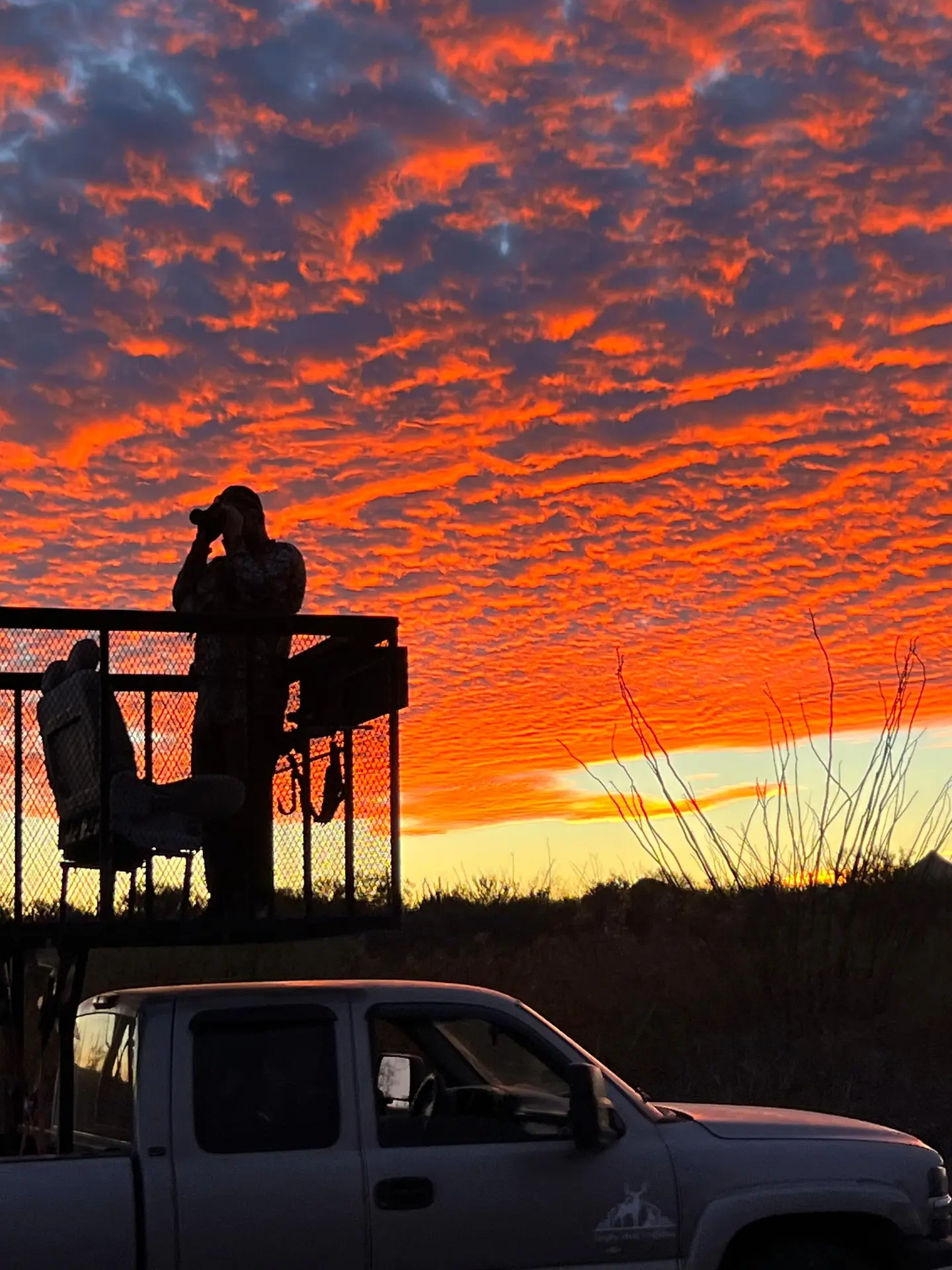
- 6:15 a.m. — Drive to a glassing knob, set up before first light.
- 7–11 a.m. — Glass methodically, mark every buck.
- 11 a.m.–2 p.m. — Light lunch in the shade; bucks bed but big ones still move during the rut.
- 2–6 p.m. — Glass and stalk, often crossing two or three drainages.
- Sunset — Back to camp, debrief, plan the next day's country.
Booking strategy
Book 6–12 months out. The two weeks straddling the New Year fill first. If you're after a 200-class buck and your calendar is flexible, ask us when your assigned ranch had its best rainfall — that's the dataset that actually predicts the hunt.